Source commercial flying saucer ride for parks, malls, and playgrounds
Find 30 commercial flying saucer ride options from verified Chinese manufacturers. Compare specifications including height, capacity, and power to select the right amusement equipment for adventure parks, shopping malls, or outdoor public playgrounds.
Key considerations
Products List
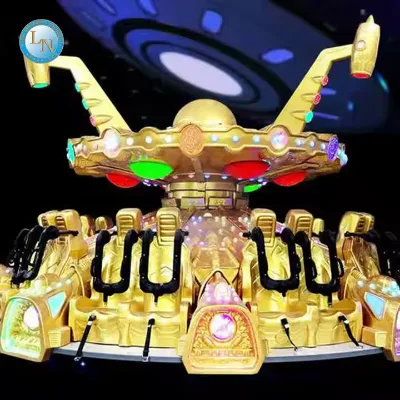
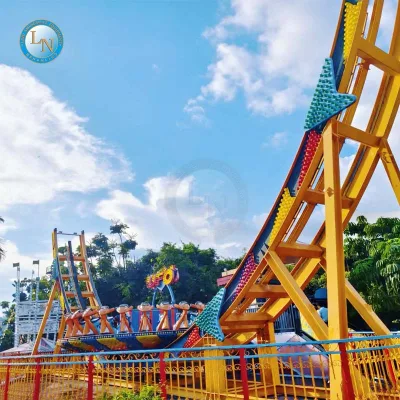
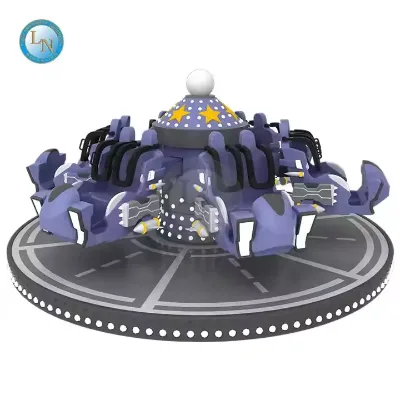
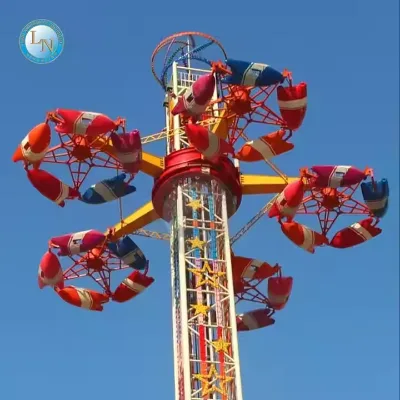
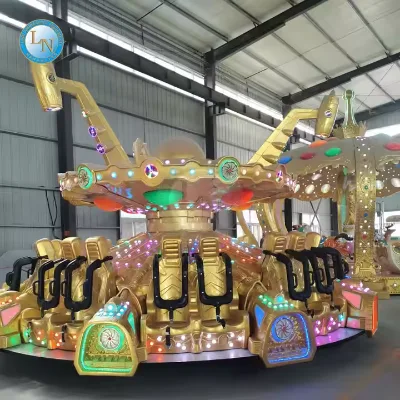
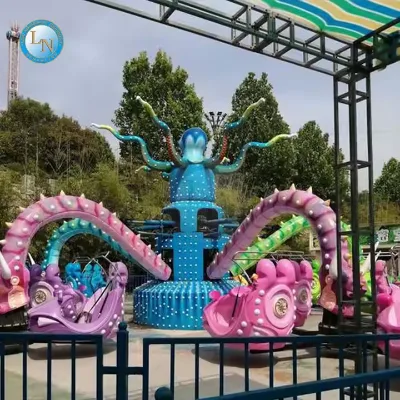
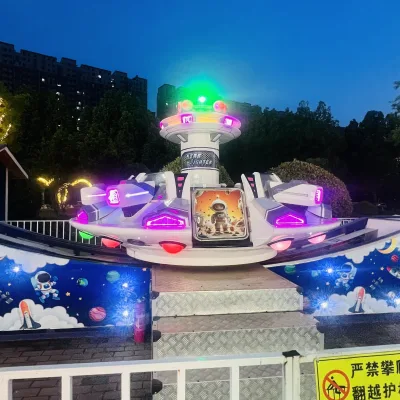
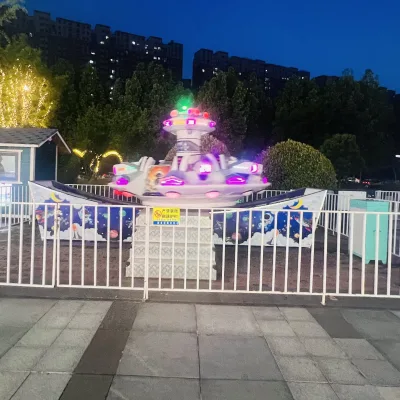
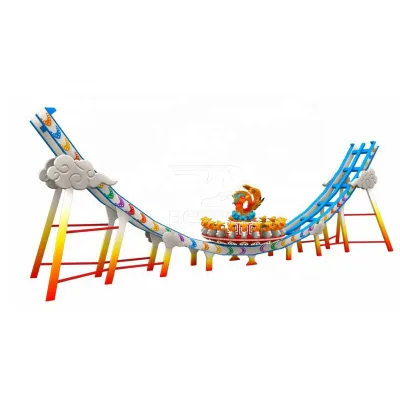


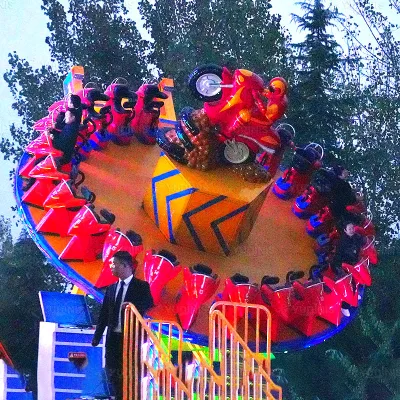
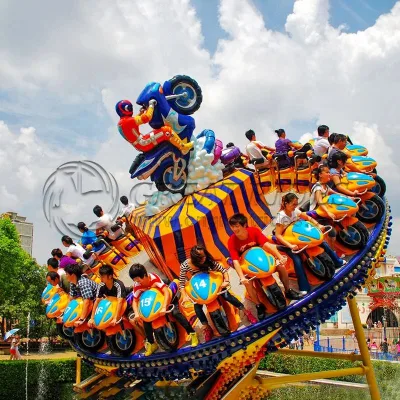
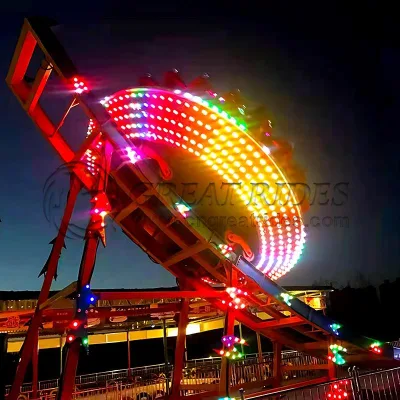
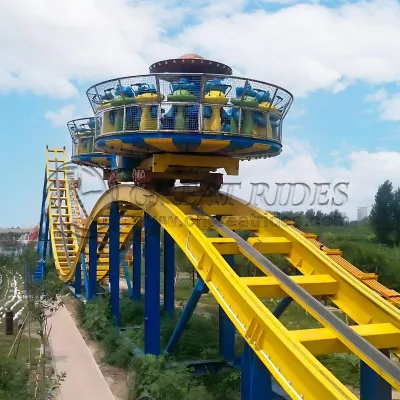
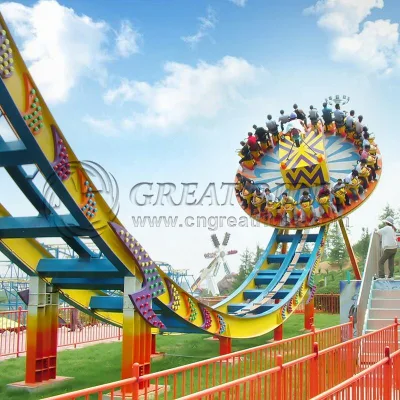
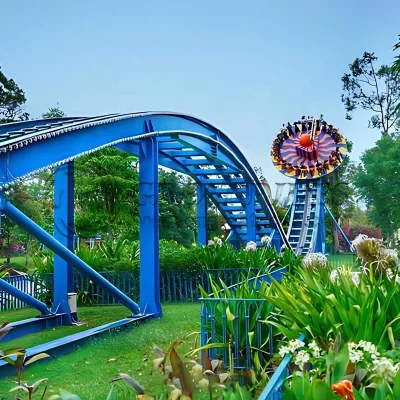
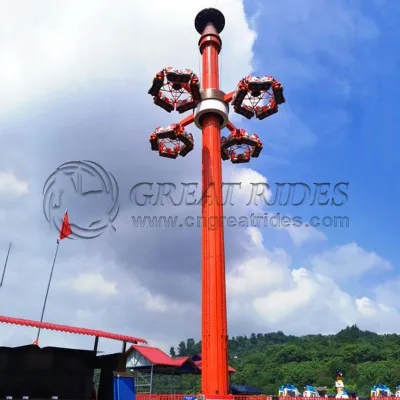
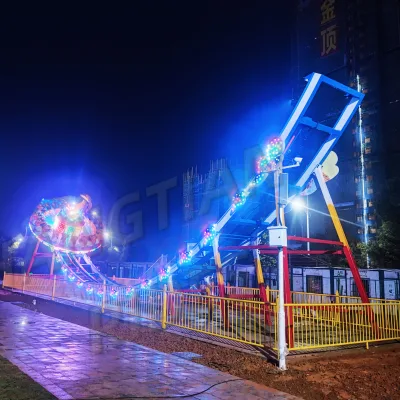


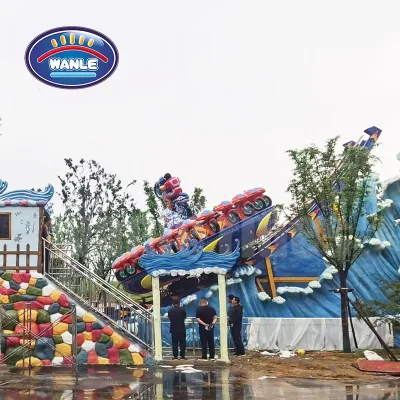
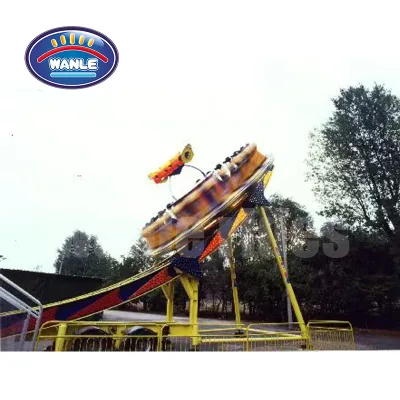
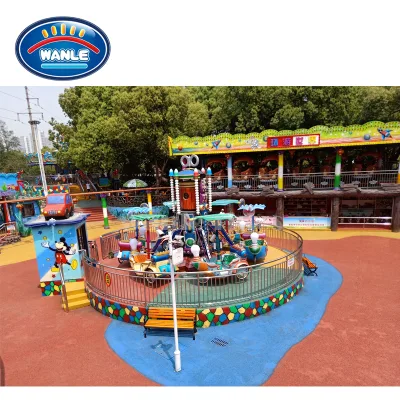
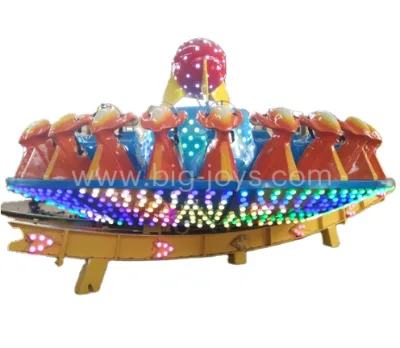
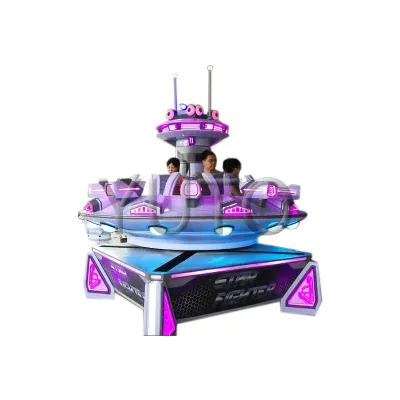
Comprehensive Sourcing Guide
Strategic Sourcing Guide for Commercial Flying Saucer Rides
The commercial flying saucer ride represents a significant investment for amusement park operators, shopping mall developers, and public space managers seeking high-impact attractions. Sourcing these complex mechanical systems requires a disciplined approach that balances technical performance, safety compliance, and total cost of ownership. Unlike standard playground equipment, flying saucer rides involve high-speed rotation, significant centrifugal forces, and complex electrical systems. Buyers must navigate a landscape where specifications vary widely, from small-scale indoor units to massive outdoor installations. This guide outlines the critical factors for evaluating suppliers and selecting the right equipment based on verified market data and industry standards.
Technical Specifications and Performance Parameters
When evaluating a flying saucer ride, the primary focus must be on the mechanical and electrical specifications that define its operational capacity. The physical dimensions and structural integrity are paramount. Data from current market listings indicates that these rides often feature a turning table diameter ranging from 6 meters to 6.25 meters, with a track radius of approximately 10 meters. The overall footprint required for safe operation is substantial; typical installations demand a floor space of at least 22 meters by 11 meters, while some compact models may require an 8 by 8-meter area.
The height of the structure is another critical variable. While some smaller units stand at 2.75 meters, larger commercial models can reach heights of 5.3 meters or even 52 meters for high-capacity towers. The structural material is consistently observed as a combination of steel and fiberglass (FRP), providing the necessary durability and resistance to weather elements for outdoor applications. The turning mechanism is driven by a power system that varies significantly based on the ride's scale. Power requirements have been observed ranging from 12 kilowatts for smaller units to 175 kilowatts for large-scale towers, with some specific models operating at 45 kilowatts.
Capacity is a defining metric for revenue potential. The allowable passenger count varies, with some units designed for 12 people, while larger commercial versions can accommodate over 10 passengers per saucer or up to 20 people in total configurations. The maximum load capacity for the structure itself is a crucial safety parameter, with observed ratings exceeding 500 kilograms or falling within the 100 to 500-kilogram range depending on the specific model. The operational speed is equally important; high-performance models achieve a maximum speed of at least 8.5 meters per second. The working time for a single cycle typically lasts between 2 to 3 minutes, ensuring a high turnover rate for visitors.
Compliance and Certification Verification
Safety compliance is non-negotiable in the amusement ride industry. Buyers must verify that the equipment meets rigorous international standards before purchase. The most commonly observed certifications for these rides include CE and TUV marks. These certifications indicate that the manufacturer has undergone testing for electrical safety, mechanical integrity, and structural stability. However, buyers should not assume that all listed products automatically possess these certifications; verification of the specific certificate for the model number in question is essential.
The electrical system must be compatible with the local power grid. While some listings specify a voltage of 380 volts, which is standard for industrial three-phase power in many regions, buyers must confirm the voltage requirements match the site's infrastructure. The absence of an inflatable component in these steel and fiberglass structures simplifies the maintenance profile but places a higher burden on the mechanical braking and locking systems. The warranty period is another indicator of manufacturer confidence, with standard offerings often covering 12 months. Buyers should scrutinize the terms of this warranty to understand what components are covered, particularly the electrical motors and safety sensors.
Cost Drivers and Pricing Structure
The pricing for commercial flying saucer rides is highly variable, influenced by size, complexity, and customization. Market data shows a wide observed price range, spanning from approximately $920 to over $683,000. This disparity reflects the difference between small, entry-level units and massive, custom-engineered towers. The minimum order quantity (MOQ) is typically set at 1 set, allowing for single-unit procurement, which is beneficial for smaller venues or pilot projects.
Several factors drive the final cost. First, the customization of the color and graphic design significantly impacts the price. Options for 3D embroidery or custom colors allow for branding integration but add to the manufacturing time and cost. Second, the power rating of the motor is a major cost driver; a 175 kW system will inherently cost more than a 12 kW unit due to the materials and engineering required. Third, the dimensions of the ride, particularly the height and diameter, dictate the amount of steel and fiberglass required, directly influencing material costs. Finally, the location of origin, often cited as Henan, China, can affect shipping logistics and import duties, which are additional costs to the base price.
Typical Applications and Venue Suitability
The versatility of the flying saucer ride makes it suitable for a diverse range of commercial applications. The primary use cases include adventure parks, shopping malls, outdoor public playgrounds, city parks, and general commercial venues. The "Outdoor" classification confirms that these rides are engineered to withstand environmental exposure, making them ideal for permanent installations in public spaces.
For shopping malls, the compact models with a height of 2.75 meters and a footprint of 8 by 8 meters are particularly suitable, as they fit within the spatial constraints of indoor atriums while providing a high-impact attraction. In contrast, adventure parks and large city parks can accommodate the larger models with heights of 5.3 meters or more, which serve as landmark attractions. The "Interstellar Adventure" and "Forest Adventure" product names suggest thematic customization options that can be tailored to the specific branding of the venue. The ability to customize the color and design allows operators to integrate the ride seamlessly into the existing aesthetic of the park or mall.
Supplier Evaluation and Selection Criteria
Selecting a reliable supplier requires a rigorous evaluation process that goes beyond the initial product listing. Buyers should prioritize suppliers who provide transparent technical documentation and clear certification records. The presence of a specific model number, such as LN-530, LN-UR09, or LN-MC-008, indicates a standardized production line, which is preferable to custom, one-off builds that may lack repeatability.
When evaluating a supplier, buyers must verify the "Place of Origin." While Henan, China, is a known manufacturing hub for amusement equipment, the specific factory's track record is more important than the province. Buyers should request references from previous installations, particularly those with similar capacity and power requirements. The "Crew Number" of 22 people for certain models suggests a need for significant staffing during operation, which impacts the supplier's ability to provide adequate training and operational manuals. Furthermore, the "Selling Units" being listed as "Single item" implies that the supplier is capable of handling individual orders, but buyers should confirm the supplier's capacity to handle logistics and after-sales support for a single unit.
Quality Control and Inspection Protocols
Quality control is essential to ensure the longevity and safety of the ride. The material composition of steel and fiberglass must be verified to ensure it meets the required tensile strength and weather resistance standards. Buyers should request material test reports for the steel used in the frame and the fiberglass resin used for the saucer bodies. The "Diameter of turning table" and "Length of track" must be measured against the specified dimensions (e.g., 6m diameter, 27m track length) to ensure precision in manufacturing.
Inspection protocols should include a pre-shipment audit. This audit should verify the electrical connections, the integrity of the braking system, and the stability of the foundation. The "Working time/once" of 2-3 minutes should be tested under load to ensure the ride operates smoothly without excessive vibration or noise. For rides with a "Max Capacity" of over 500kg, a load test is mandatory to confirm the structural integrity under maximum stress. The "Warranty" of 12 months should be backed by a clear service agreement that outlines the response time for repairs and the availability of spare parts.
Long-Term Procurement and Operational Considerations
Procuring a flying saucer ride is a long-term commitment that requires careful planning for maintenance and operation. The "Power" requirements, ranging from 12 kW to 175 kW, will impact the venue's energy costs. Buyers should calculate the operational cost based on the expected number of cycles per day and the local electricity rates. The "Color: customization" option offers a marketing advantage but requires periodic repainting or touch-ups to maintain the aesthetic appeal, which adds to the long-term maintenance budget.
The "Type: Carousel" or "Outdoor" classification dictates the maintenance schedule. Outdoor units require more frequent inspections for corrosion and weather damage compared to indoor units. The "Allowable Passenger" count determines the throughput and revenue potential, but it also dictates the wear and tear on the mechanical components. Buyers should plan for a replacement cycle for high-wear parts such as bearings, motors, and safety sensors. The "Model Number" serves as a unique identifier for ordering spare parts, so maintaining a record of the specific model and its serial number is crucial for future procurement.
In conclusion, sourcing a commercial flying saucer ride involves a complex interplay of technical specifications, safety compliance, and cost management. By focusing on verified data points such as dimensions, power ratings, and certifications, buyers can make informed decisions that ensure the safety and profitability of their investment. The wide range of available models allows for customization to fit various venue sizes and themes, but the responsibility lies with the buyer to conduct thorough due diligence on the supplier and the specific product specifications.
FAQs
What certifications do commercial flying saucer rides have?
These rides typically carry CE and TUV certifications to ensure safety compliance. Buyers must verify the specific certificate for each model number before purchase to confirm electrical and mechanical integrity.
How much floor space is required for installation?
Typical installations require a floor space of at least 22 meters by 11 meters. Some compact models may fit into an 8 by 8-meter area depending on the specific dimensions and track length.
What is the maximum passenger capacity for these rides?
Allowable passenger counts vary, with some units designed for 12 people and others accommodating over 10 passengers per saucer. Larger configurations can support up to 20 people total depending on the model.
Can the color and design be customized for branding?
Yes, the color is customizable, and options include 3D embroidery for graphic design. This customization allows operators to integrate the ride seamlessly into the specific aesthetic of their venue or park.
What is the warranty period for the equipment?
The standard warranty period is 12 months for the equipment. Buyers should scrutinize the terms to understand coverage for components like electrical motors and safety sensors during this period.
What power requirements do these rides typically need?
Power requirements range from 12 kilowatts for smaller units to 175 kilowatts for large towers. Some specific models operate at 45 kilowatts, so buyers must confirm voltage compatibility with their site.
Which materials are used to construct the ride structure?
The structure is consistently made from a combination of steel and fiberglass or FRP. This material choice provides the necessary durability and resistance to weather elements for outdoor applications.